

How Much Is My Diamond Worth?

It’s one of the most common questions I hear “How much is my diamond worth?” And the honest answer? It depends… a lot more than most people expect.
Let’s break it down properly so you actually understand what your diamond is worth, not just what someone once told you.
The First Truth: There Isn’t One “Value”
A diamond doesn’t have a single fixed price. Instead, it has different values depending on the situation, including:
Retail (what you’d pay in a shop)
Replacement value (for insurance)
Trade value (what dealers pay)
Resale value (what you’ll actually get)
And these can be very different.
Retail Price vs Reality
When you walk into a jewellery shop, you’re paying for:
The diamond itself
The brand or retailer margin
VAT (in the UK, 20%)
Craftsmanship and setting
Aftercare and service
So if you bought a diamond ring for £5,000…
That does not mean it’s worth £5,000 on the open market
Insurance / Replacement Value
This is where most confusion comes from. Your insurance valuation is usually higher than what you paid. Why? Because it reflects what it would cost to replace the item at retail today, not what it’s worth to sell. Metal and Gemstone prices fluctuate constantly so an Insurance replacement valuation accounts for that.
So you might see:
Purchase price: £5,000
Insurance value: £7,500
Sounds great… but it’s not what you’ll get if you sell it.
What Happens When You Sell? Now we get to the real question.
1. Selling to a Jeweller or Dealer (Why do Jewellers offer less?)

This is usually the quickest option. But expect: Offers often around 30–60% of retail value Lower if the diamond is commercial quality Higher if it’s exceptional (larger, high colour, high clarity) Why? Because the buyer needs margin to resell
It's not just profit, it's business reality. Before reselling, a jeweller often need to:
Clean and polish the jewellery
Repair or remake the setting
Cover overheads (rent, staff)
Account for months, or even years that this piece my not sell for
They must buy it cheaper than their own supplier
2. Selling at Auction
Auctions can sometimes achieve higher prices than selling directly to a jeweller, especially for signed jewellery, antique pieces, or exceptional diamonds.
However, there are no guarantees. The final price depends on how many bidders are interested on the day, and if bidding doesn't reach your reserve price, the item may not sell.
It's also worth remembering that auction houses charge seller's commission and other fees, so the amount you receive will usually be less than the final hammer price.
Potentially higher returns—but with more uncertainty.
Best Candidates for Auction
Auctions tend to work best for:
Signed jewellery (e.g. Cartier, Tiffany & Co., Van Cleef & Arpels)
Antique and period jewellery
Rare coloured diamonds
Large, high-quality diamonds
Pieces with provenance or historical significance
Commercial jewellery is often less suited to auction unless it is particularly desirable.
3. Private Sale
Selling directly to another person.
Potentially the highest return, because:
No middleman
But also:
Takes time
Requires trust and knowledge
Buyers expect a “deal”
What Actually Determines Value?
Now let’s talk about the diamond itself. The key factors (based on Gemological Institute of America standards)
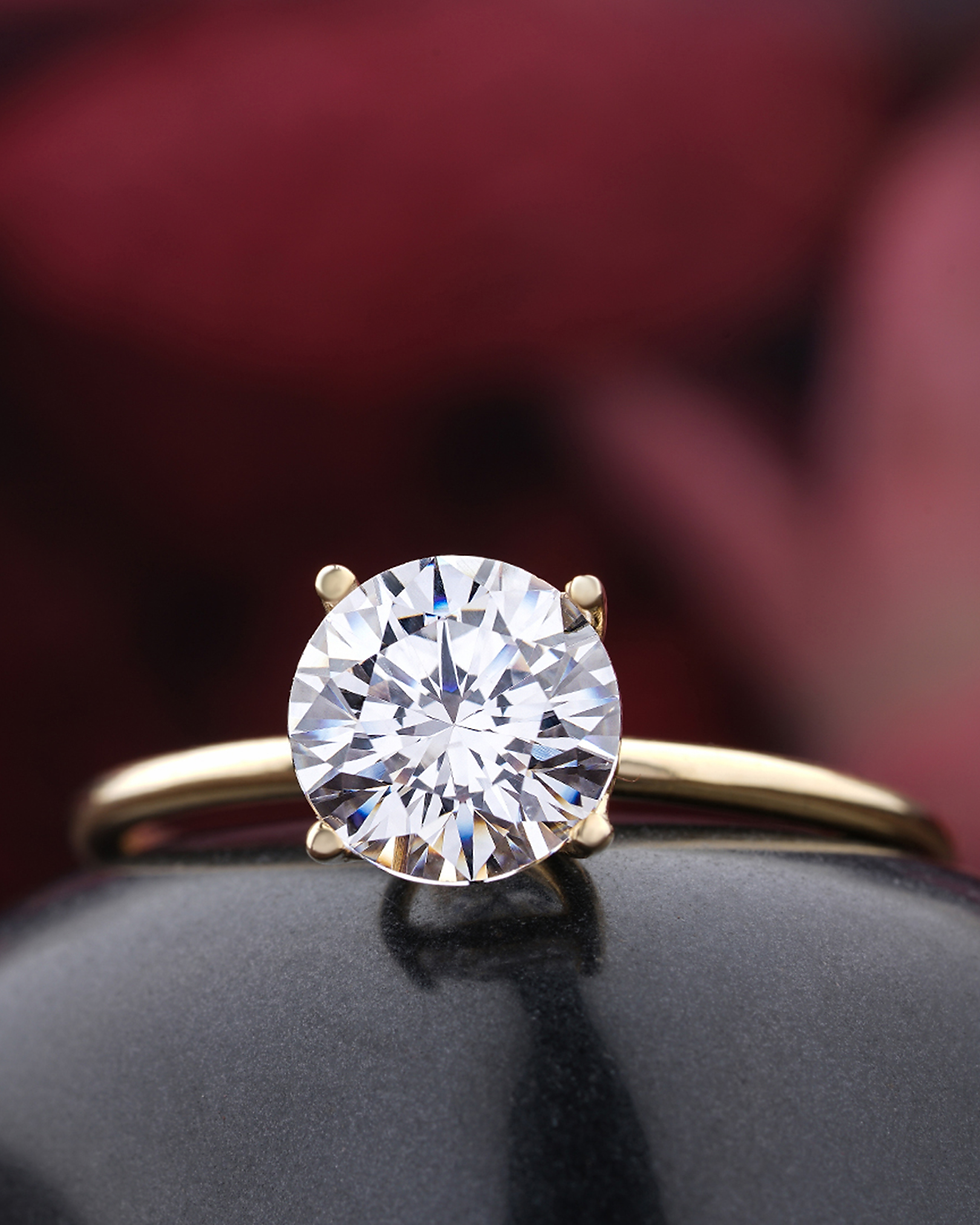
The 4Cs
Carat – size matters, especially above 1.00ct
Colour – the less colour, the higher the value (for white diamonds)
Clarity – fewer inclusions = higher value
Cut – often overlooked, but critical for beauty and price
Other Important Factors
Shape (round diamonds usually sell for more)
Fluorescence
Diamond Reports (GIA reports carry strong trust in the market)
Condition (chips, scratches, wear)
Market demand
Natural or Laboratory-Grown Diamond
This is a big one today.
Natural diamonds hold value better over time
Laboratory-grown diamonds have dropped significantly in resale value
Why?
Because supply is scalable, they can be produced continuously.
So if you’re asking “what is my laboratory-grown diamond worth?”
The resale value is often much lower than purchase price, also most jewellers wouldn't purchase Laboratory-Grown Diamonds currently.
A Realistic Example

Let’s say you have:
1.00ct Natural round brilliant cut Diamond
G colour
VS2 clarity
Bought for £6,000
You might see:
Insurance value: £8,000+
Trade offer: £2,000–£4,000 (sometimes even lower)
Auction result: varies depending on demand but can be higher
That gap surprises a lot of people.
So… What Is It Worth?
Your diamond is worth:
What someone is willing to pay for it, in that specific market, at that moment.
NOT what you paid
NOT what it’s insured for
But what the market says TODAY
Diamonds are incredible, formed millions to billions of years ago, completely unique, and deeply personal.
But financially? They’re NOT short-term investments.
They hold emotional value far more consistently than monetary value.


Comments